
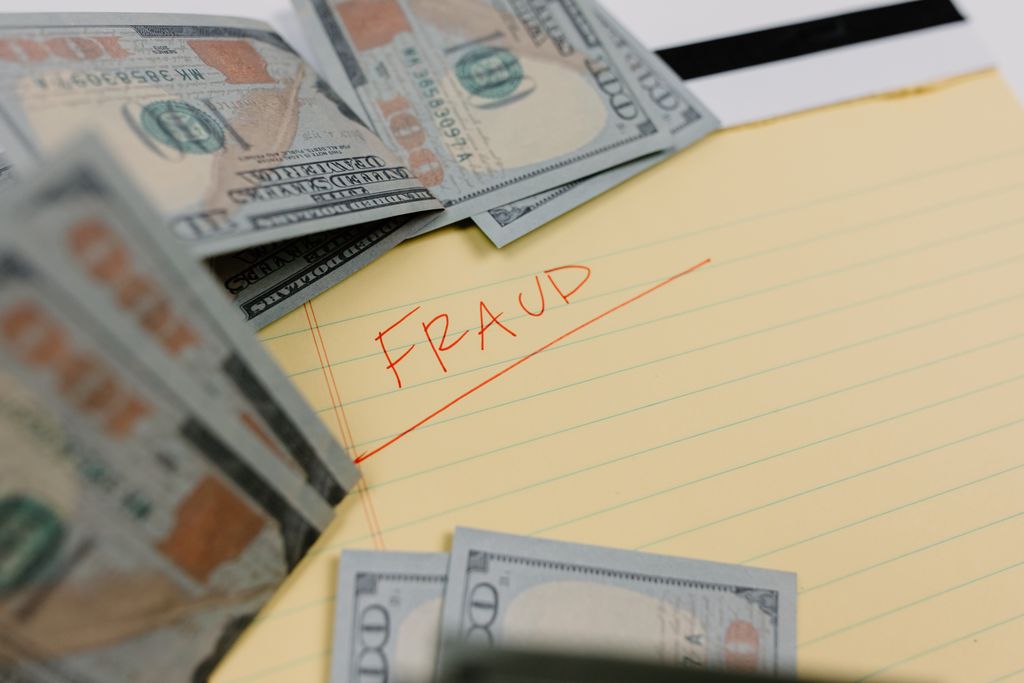
Over $225 million in fraud has been reported by state education departments and school districts nationwide since 2019, according to The Center Square.
You read that right—six years of reports from the U.S. Department of Education’s Office of the Inspector General were analyzed by federal spending watchdogs, and their investigation uncovered the widespread theft of finances meant to aid students’ learning.
Two online charter schools in Indiana inflated their enrollment numbers to garner an additional $44 million from the state than they should have had. A janitor in West Virginia made $3.4 million by falsifying his need for cleaning supplies. Sometimes these instances are one-off, other times they are systemic—but this shows us what can happen when oversight is not a priority.
OJ Oleka, CEO of the State Financial Officers Foundation (one of the groups that helped conduct the investigation), cites the systemic lack of oversight in education departments and the ease at which bad actors can take advantage of certain programs as reason for this widespread theft.
Rhyen Staley, director of Defending Education and a former educator, makes a good point: this level of fraud erodes public trust in K-12 education, teachers, and staff. He also points out that DEI programs are ripe for fraud, as they do not have measures in place to prevent people from using them as they are not intended.
Kimberly Yee, Arizona’s state treasurer, says that “fiscal responsibility should rest with the states.” She says that the solution is better transparency, accountability, and state-based fiscal management.
It is often easiest to commit fraud in smaller districts, where individual students are hit the hardest by every dollar missing. For their sake, better localized oversight is an imperative.